AI makes things up. Here's how to never get caught out.
It gave you a fact — a date, a figure, a quote — so confidently that you didn't think to check. And later you found out it was wrong. If that's happened to you, you're not being careless. You've just met AI's most important quirk.

AI can make things up. The technical word is hallucination, and it's worth understanding: the AI isn't lying, and it's not broken. Underneath, it's a very clever text-predictor — so when it doesn't know something, it'll often produce a plausible-sounding answer rather than an empty one. It's confident because sounding confident is what it does. OpenAI have even published a paper on exactly why this happens.
The tricky part: it's most convincing precisely when it's most wrong. So the fix isn't fear — it's a couple of easy habits.
Three habits that keep you safe
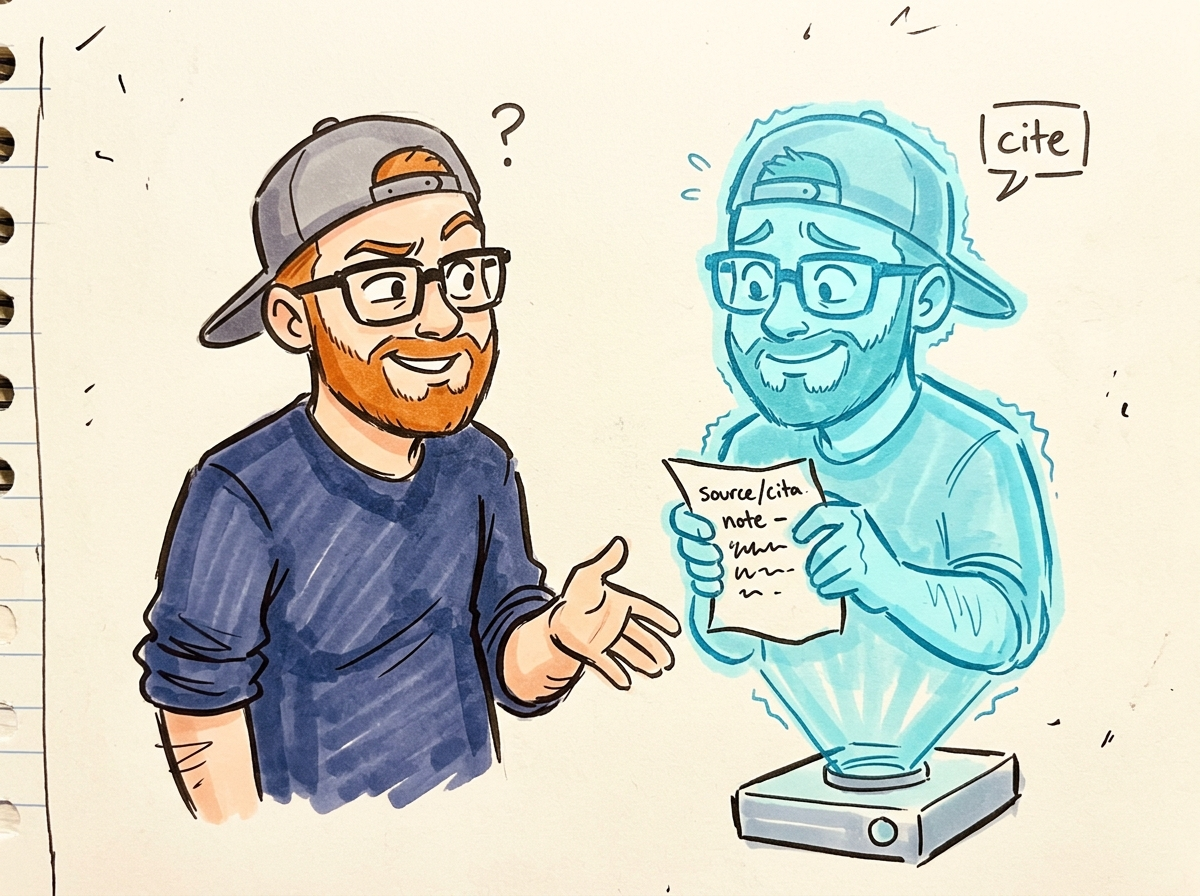
- Ask for the source. "Where's that from? Give me a link I can check." If it can't back it up, treat it as a maybe.
- Give it permission to say "I don't know." Add: "If you're not sure, say so — don't guess." Models will hedge honestly if you let them off the hook.
- Verify what actually matters. Brainstorming? Relax. But a fact you'll act on — a figure, a name, a legal or medical detail — check it. Thirty seconds well spent.
One thing you can stop worrying about
That confident tone. Once you stop reading confidence as proof, you're already ahead of most people using it. You don't need to distrust everything — you just need to check the things that matter.
Try it right now
Next time it hands you a fact you're going to use, just add five words: "give me a source to check." Watch it either back itself up — or quietly backpedal. Either way, you're now in control, not it.
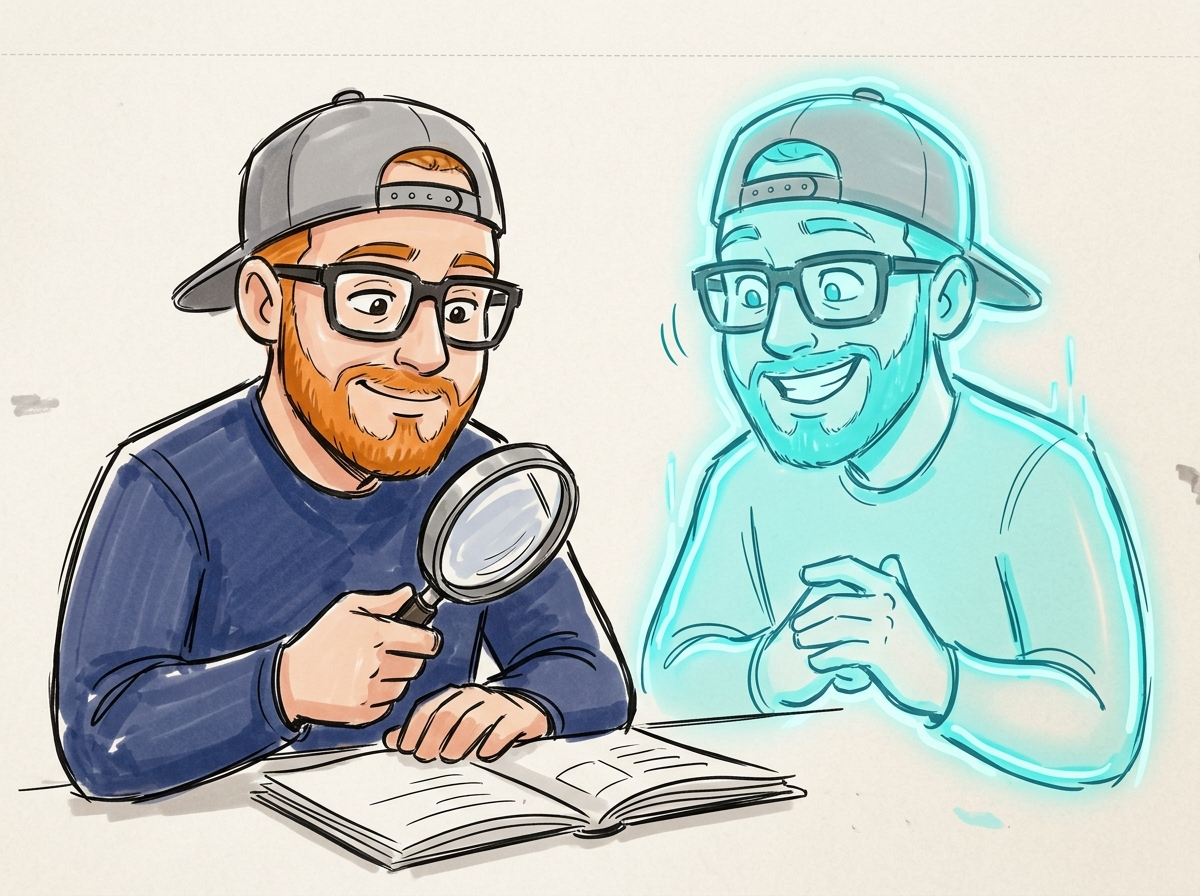
Every Vault System is built to keep you in the driving seat — you steer, you check, you decide.
Take the free 60-second audit →— Zac (the human) & Zax (the AI)